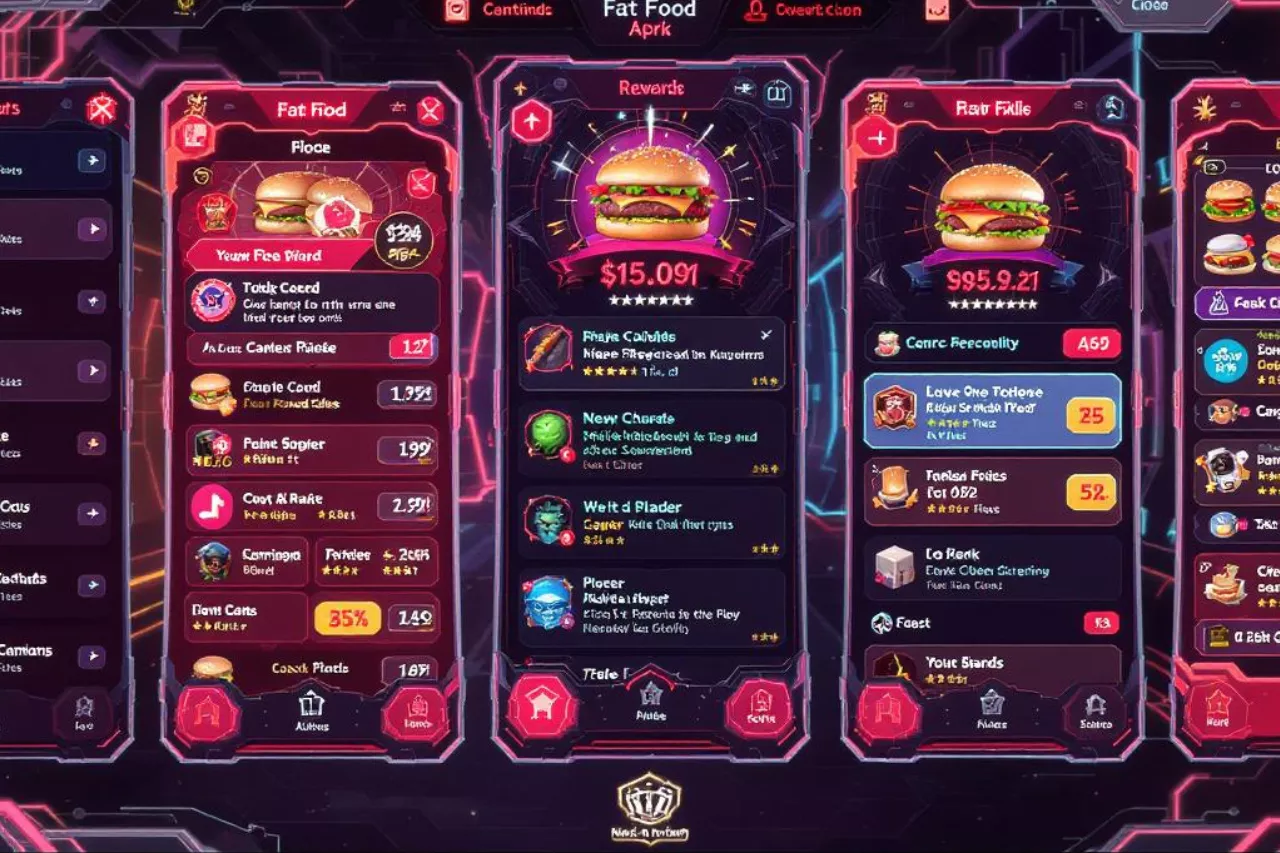
The global fast food giant McDonald’s has always been a master of branding, but the company is now entering a new phase of innovation. How McDonald’s Is Gamifying Its Powerful Brand Assets reflects a broader shift in how brands are leveraging marketing technology to create deeper connections with audiences. Rather than relying solely on traditional advertising, the company is transforming its iconic assets into interactive and rewarding experiences.
This approach blends technology insights with creativity, allowing the brand to stay relevant in a rapidly evolving digital landscape. As consumer expectations shift toward personalized and immersive interactions, gamification is emerging as a powerful tool to drive engagement and loyalty.
The Role of Gamification in Modern Marketing
Gamification is no longer limited to mobile apps or entertainment platforms. It has become a core part of digital marketing innovations, especially for brands aiming to build long term relationships with customers. In the case of McDonald’s, gamification turns familiar elements such as packaging, mascots, and menu items into interactive touchpoints.
Moreover, this strategy aligns with current marketing trends analysis that highlights the importance of engagement over exposure. Consumers today want to participate rather than passively consume content. Therefore, gamified experiences encourage users to interact with the brand in meaningful ways, increasing both time spent and emotional connection.
One of the most interesting aspects of How McDonald’s Is Gamifying Its Powerful Brand Assets is how the company reimagines its existing identity. The golden arches, Happy Meal characters, and even its app interface are being integrated into digital ecosystems that reward user interaction.
Additionally, these experiences are often powered by mobile technology, augmented reality, and loyalty platforms. As a result, customers can engage with the brand across multiple channels while earning rewards or unlocking exclusive content. This creates a seamless blend of offline and online engagement, which is essential in today’s omnichannel environment.
Data Driven Marketing Behind the Strategy
Gamification at scale requires more than creativity. It depends heavily on data driven marketing to deliver personalized and relevant experiences. McDonald’s uses customer data to understand behavior patterns, preferences, and purchase history.
Consequently, the brand can tailor its gamified campaigns to individual users, making each interaction feel unique. This level of personalization enhances customer experience strategies and ensures that engagement is not only high but also meaningful. Moreover, real time data allows marketers to refine campaigns continuously, improving performance and return on investment.
Enhancing Customer Experience Through Interaction
Customer experience strategies are at the heart of this transformation. Gamification adds an element of fun and reward that traditional marketing often lacks. Whether it is through digital collectibles, interactive challenges, or app based rewards, customers feel more involved in the brand journey.
Meanwhile, this approach also builds loyalty by offering tangible benefits for participation. Users are more likely to return when they know their interactions lead to rewards or recognition. In contrast to static campaigns, gamified experiences evolve over time, keeping the audience engaged and curious.
Integration Within the MarTech Ecosystem
The success of How McDonald’s Is Gamifying Its Powerful Brand Assets also highlights the importance of a strong MarTech ecosystem. Tools such as customer data platforms, analytics engines, and mobile engagement solutions work together to deliver these experiences.
Similarly, automation plays a key role in scaling these efforts. Campaigns can be deployed across regions with localized variations, ensuring relevance without sacrificing efficiency. This integration demonstrates how technology insights are shaping the future of marketing by enabling smarter and more agile strategies.
The Impact on Brand Engagement Strategies
Brand engagement strategies have evolved significantly in recent years, and gamification is at the forefront of this change. McDonald’s is setting an example by showing how legacy brands can adapt to digital expectations without losing their core identity.
Furthermore, gamified campaigns often generate organic buzz through social sharing and user generated content. As a result, the brand benefits from increased visibility and authenticity. This creates a virtuous cycle where engagement drives awareness, which in turn fuels further engagement.
Future Outlook and Industry Insights
Looking ahead, the approach seen in How McDonald’s Is Gamifying Its Powerful Brand Assets is likely to influence a wide range of industries. As digital marketing innovations continue to evolve, brands will increasingly focus on creating interactive ecosystems rather than isolated campaigns.
Moreover, advancements in artificial intelligence and immersive technologies will make these experiences even more personalized and engaging. Consequently, businesses that invest in data driven marketing and integrated MarTech solutions will be better positioned to thrive in this dynamic environment.
For professionals and marketers, the key takeaway is clear. Gamification is not just a trend but a strategic tool that can transform how brands connect with their audiences. Understanding and implementing these techniques can unlock new opportunities for growth and differentiation.
Stay ahead with the latest technology insights and marketing trends analysis on MarTechInfoPro.com. Explore more expert driven content to elevate your marketing strategies and digital innovation journey.
Source : marketingweek.com